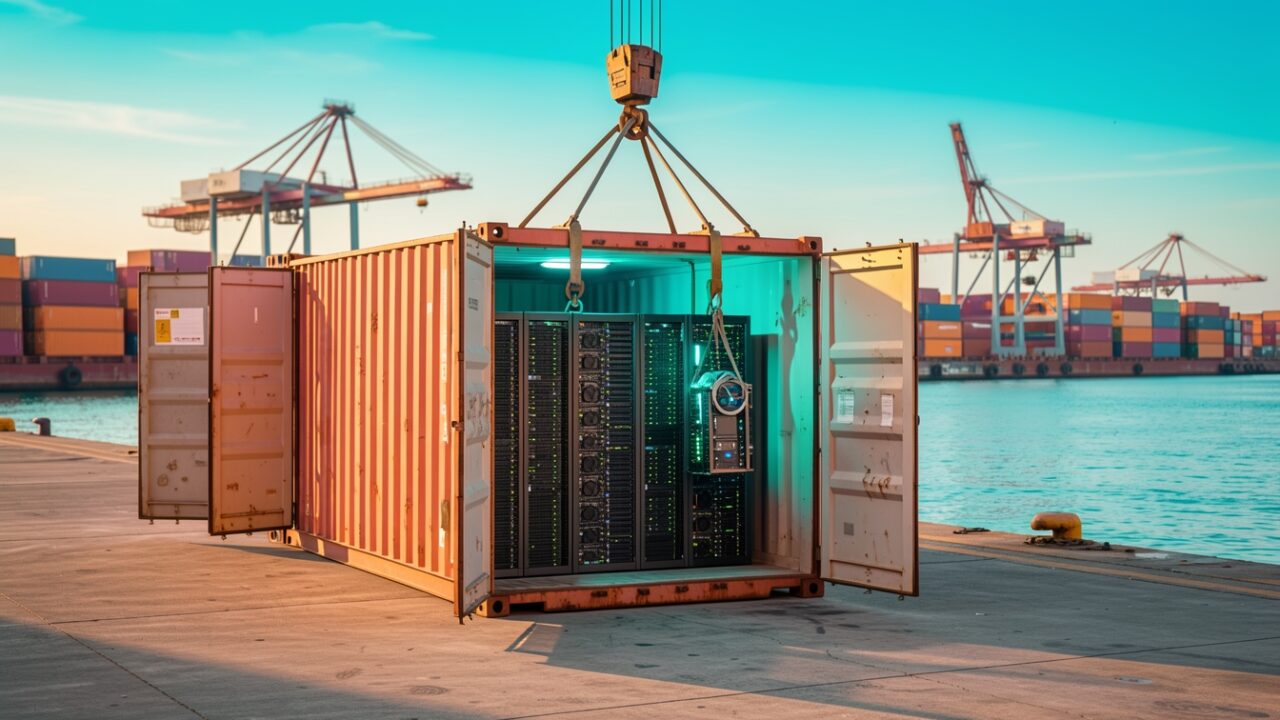
Everyone read the shipment halt to Malaysia, Singapore, Thailand and Indonesia as a cloud apocalypse. It isn't. It's a procurement problem wearing a geopolitics costume.
The take going around this week is that U.S. export controls have jumped the fence from China into Southeast Asia, and the region’s AI buildout is now dead on the runway. I don’t buy it, or at least not the version where your Singapore inference endpoint falls over on Monday. The pause is real. The thing most people are scared of is not the thing that’s actually happening.
Let me steelman the panic first, because it isn’t stupid. Nvidia reportedly told its manufacturing partners to stop shipping AI servers, the GPU boxes, not consumer cards, to four of the densest data-center hubs in the region. The U.S. regime that used to draw a line around China is now drawing lines around the countries next door, on transshipment grounds. If you throttle the pipeline into Singapore, you throttle a chunk of APAC’s expansion capacity. That’s a genuine escalation, and anyone telling you it’s nothing hasn’t read the same memo.
Here’s where the common read goes wrong: it collapses two completely different things into one word, “capacity.”
Running silicon and future silicon are not the same asset
The GPUs already racked in an AWS, Google Cloud or Azure region in Singapore are not being un-racked. They landed, they cleared, they’re drawing power. A shipment pause is forward-looking, it stops the next boxes from leaving the factory. It does nothing to the H100- and H200-class clusters that are already humming behind your API calls. If you’re serving a model out of ap-southeast-1 today, your 2 a.m. pager is not going to fire because of an export rule signed in Washington.
The hyperscalers are also the single worst target for this kind of disruption, from the disruptor’s point of view. They run validated end-user programs, they have compliance lawyers who do nothing else, and they pre-position inventory quarters ahead. When controls tightened around China, the big three adapted their procurement without their public clouds blinking. Assume the same reflexes here.
So who actually gets hurt? The people who were counting on new boxes arriving on a schedule. Regional colo operators. Sovereign-AI projects. The mid-size GPU cloud that quoted you capacity for February and now can’t get the servers out of the fab. That’s the real blast radius, procurement timelines, not production traffic.
What I’d actually check this week
- Any buildout that assumes net-new GPU nodes landing in these four countries in the next one to two quarters. Treat those delivery dates as slipped until your vendor says otherwise in writing.
- Reserved-capacity and committed-use deals with regional providers that depend on hardware they haven’t taken delivery of yet. Ask them point-blank where their inventory physically is.
- Your fallback region. If you’re single-homed in Singapore and your scale-out plan needs more silicon, know your second landing zone before you need it.
The word everyone is skating past is pause. This reads like Nvidia de-risking itself while the licensing paperwork catches up to a rule that moved faster than the process around it, not a permanent ban. Companies halt shipments all the time when the compliance ground shifts under them; it’s cheaper than shipping into a license you can’t yet prove you qualify for. That could resolve in weeks with new end-user licensing, or it could grind for months. I wouldn’t bet the roadmap on either.
And don’t go shopping for a loophole. The instinct will be to call your AMD rep and ask about MI300-class boxes instead. But these controls key off compute thresholds, not the logo on the heatsink. There’s no confirmed parallel hold on AMD or Intel right now, but the rule is written against a capability class, so anything in that performance band faces the same licensing logic. Switching vendors to dodge an export threshold is how you end up explaining to finance why the second cluster is also stuck in customs.
The honest summary: nobody’s existing workload broke this week. A lot of capacity plans quietly did. If your architecture diagram has “and then more GPUs arrive” as a load-bearing assumption, that’s the box to go re-examine, today, before the planning meeting, not after.