The name did the work before the CVE did. Call something “Java4Shell” and every security lead who lived through December 2021 feels the same cold drop in the stomach, the all-hands, the asset inventory nobody had, the weekend spent grepping JARs. That reflex is the point of the name, and this time it’s pointed at the layer most people forget is even Java: the identity stack.
CVE-2026-114938 was disclosed on November 17, 2026 and lands on both OpenJDK and Oracle Java SE. Okta published an advisory the same day referencing the Java4Shell moniker and pointing customers at Oracle’s Java security updates and the OpenJDK advisory. I’m deliberately not going to narrate an exploit chain here, because the public sources don’t, and inventing one helps nobody. What matters for identity teams is simpler and more uncomfortable: a critical flaw in the JVM is a flaw in the thing that signs your SAML assertions, issues your OAuth tokens, and answers your LDAP binds.
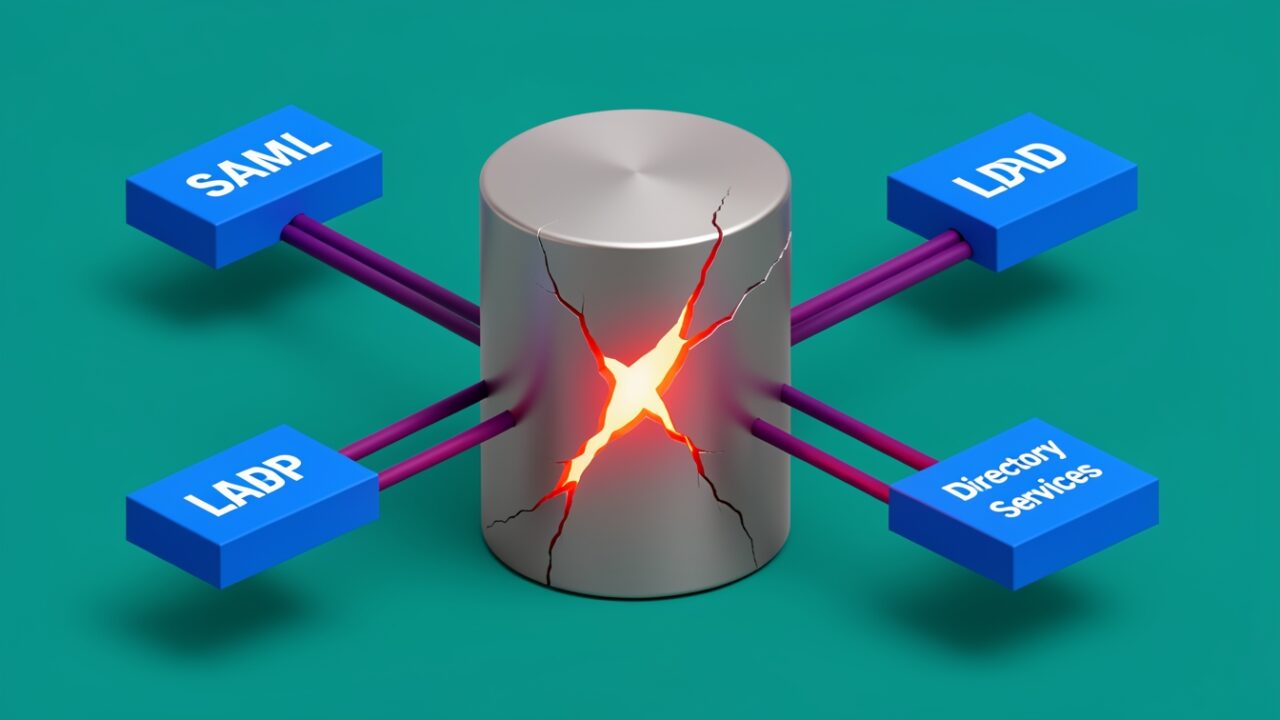
That’s the reframe worth sitting with. We talk about SAML IdPs, OAuth authorization servers, directory services and federation gateways as if they’re the units of risk. They’re not. They’re processes running on a runtime, and the runtime just became the weakest link. Shibboleth and Keycloak run on the JVM. Ping and ForgeRock/PingAM run on the JVM. Apache Directory, OpenDJ, UnboundID-derived directories, JVM. Okta’s on-prem agents and connectors that sync your AD into the cloud and broker RADIUS, Java. If any of those issue credentials your other systems trust, a compromise there doesn’t stay there. It walks across your federation trust chain wearing a valid signature.
So, three things, in order, before you argue about anything else.
First, find the runtimes you forgot you had. Not the ones in your CMDB, the ones bundled inside appliances and installers. Vendors ship their own JVM constantly, so the system java -version tells you almost nothing about what your IdP is actually executing. Go find the real one:
On Windows, chase it the same way, the running process, not the registry:
Second, patch where you can and pin where you can’t. Oracle ships Java SE fixes through its quarterly Critical Patch Update; OpenJDK distributions (Temurin, Corretto, Zulu, Red Hat build) publish their own builds on the same advisory. If your IdP vendor embeds the JVM, you wait for their patched build, you don’t drop a newer JDK underneath a commercial product and hope the TLS stack still negotiates. That’s the migration-cost reality purists skip: the correct JDK is the one your vendor supports, and the gap between “CVE disclosed” and “vendor build shipped” is exactly where your weekend goes.
Third, decide what you distrust while you wait. This is the architect’s call, not the scanner’s. An unpatched IdP that mints tokens other systems honour is a different risk than an unpatched reporting box. Shorten token lifetimes on the exposed issuer, be ready to rotate signing keys, and know which relying parties would need their federation metadata refreshed if you did. If you can’t answer “what trusts this thing,” the vulnerability isn’t your real problem.
Java4Shell may turn out smaller than Log4Shell. Most things do. But the name already told you the lesson it wants you to keep: you cannot defend an identity platform you’ve been treating as a black box. The JVM was always in there. Now you have a reason to admit it.