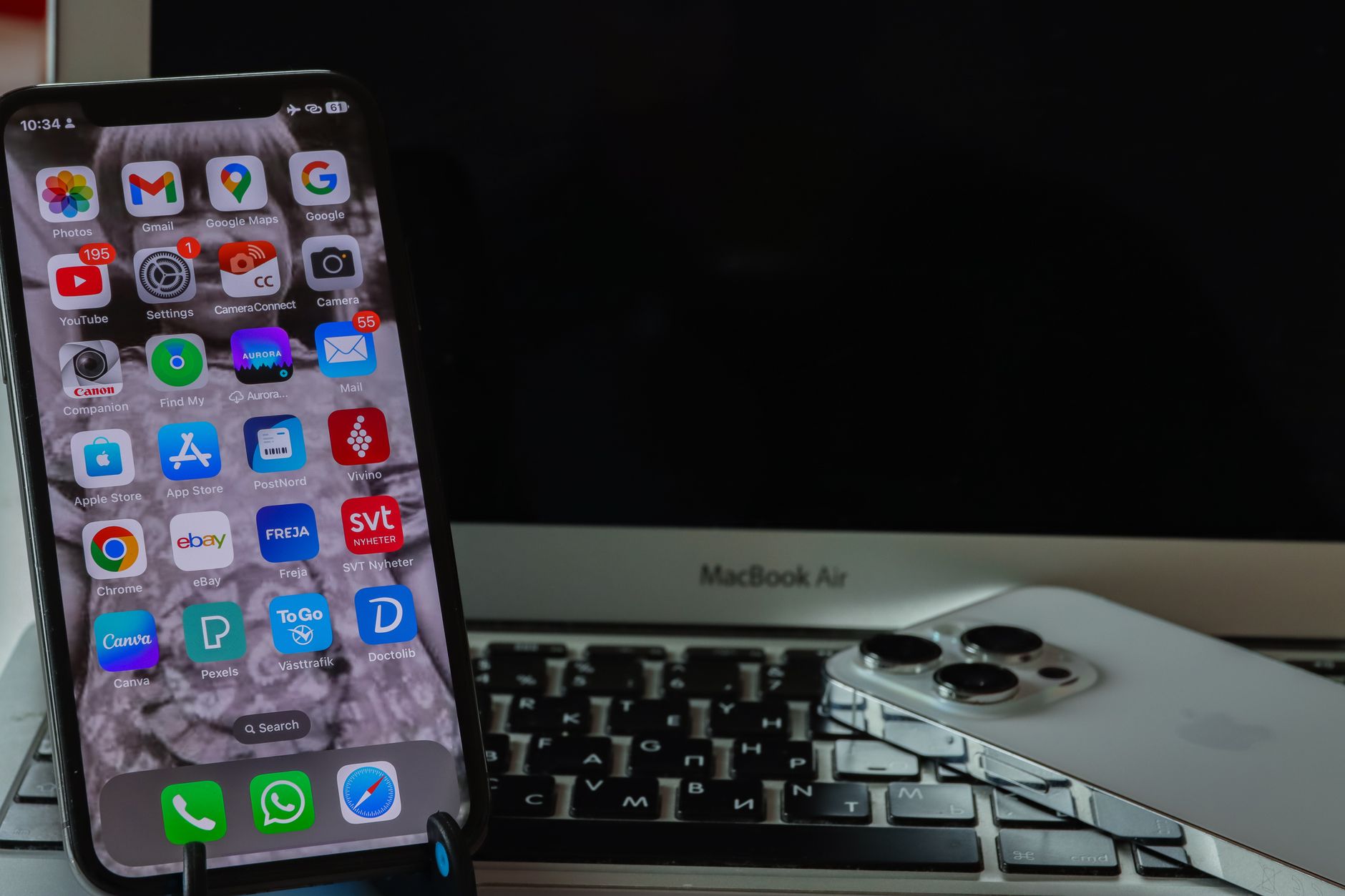
The take doing the rounds this week is that iOS 27’s new “iPhone Handoff” — same phone number, two physical iPhones, user toggles which one is live — is going to wreck MDM. Certificates, enrollment, device trust, compliance: all supposedly thrown into doubt the moment a user flips their active device. That reading is wrong, or at least aimed at the wrong target. The thing that breaks isn’t your device management. It’s the assumption buried three layers down in your identity stack that a phone number belongs to exactly one device you can hold in your hand.
Let me give the worried camp its due, because the worry is reasonable on its face. If two iPhones present the same MSISDN, and your Conditional Access or Intune compliance evaluation has ever touched a phone number, it’s fair to ask what happens when the “active” device changes. Does trust follow the number or the hardware? Does the standby iPhone silently fall out of compliance? Does switching trigger a re-enrollment storm, a wave of MFA challenges, a pile of duplicate device records? Anyone who has watched a fleet re-provision itself over a long weekend has earned the right to be nervous about a feature that lets users move an identity between two boxes with a toggle.
Why the MDM panic is misplaced
Here’s the part the panic skips: Apple’s MDM protocol was never keyed on phone number, and neither is device trust. Enrollment binds to hardware. The identity certificate an MDM issues at enrollment lands in the Secure Enclave of that specific device, non-exportable, and the enrollment relationship is anchored to the device UDID (or the enrollment ID on modern user/device-channel splits), not to a SIM. APNs push tokens are minted per device. A SCEP or ACME certificate provisioned to iPhone A does not teleport to iPhone B because both answer the same calls. There is no mechanism in the protocol for a credential in one Secure Enclave to appear in another. That’s the entire point of the Secure Enclave.
Two enrolled iPhones per user is also not some exotic new condition. Plenty of fleets already carry a personal-plus-corporate split, dual-SIM road warriors, and hardware-refresh overlaps where the old and new phone are both enrolled for a week. Your MDM already handles “one human, two managed devices.” iPhone Handoff adds a shared telephony identity on top of that arrangement. It does not merge the devices, and as of the current iOS 27 betas Apple has published nothing in the MDM or Apple Business Manager documentation that suggests otherwise. If a vendor tells you this forces re-enrollment, ask them which command in the protocol does that. There isn’t one.
So the certificate story is a non-story. Which is exactly why it’s dangerous — it’s absorbing all the attention that should be going somewhere else.
The assumption that actually rots
SMS OTP and telephony step-up have leaned, quietly, on a physical premise: possession of a phone number implies possession of the one provisioned SIM that number lives on. Deliver a code to that number and you’ve probabilistically confirmed the human is holding a specific device. Ring the number for a voice step-up and one endpoint answers.
That premise was already threadbare. eSIM made numbers software. Carrier call-forwarding has existed for decades. iMessage and FaceTime already fan out across every Apple device signed into the same account, and SMS text-message forwarding has relayed your bank’s OTP to your Mac and iPad for years. iPhone Handoff doesn’t invent the problem. It just removes the last comforting fiction that a number maps to one place, and it does so at the cellular layer where your telephony-based controls can’t see the difference.
If your risk engine ever reasons, even implicitly, “the OTP was delivered to the enrolled number, therefore the enrolled device received it,” that inference is now false in a way you can’t detect from the SMS side. The code could have surfaced on either iPhone. You don’t know which. Neither does your fraud model.
The concrete thing that bites: inventory reconciliation
Here’s where the abstraction becomes an operational bug. MDM lets you query telephony attributes with a DeviceInformation command:
Two Handoff-paired iPhones can now legitimately return the same PhoneNumber in that response. If any part of your pipeline — a CMDB sync, a duplicate-device cleanup job, a “one primary phone per user” rule in your identity governance tool — dedupes or correlates on phone number, you’ve built a machine that will happily merge, retire, or mis-attribute one of two genuinely distinct, genuinely enrolled devices. I have watched a reconciliation job quietly wipe the wrong record on a much dumber collision than this. Key on SerialNumber and UDID. They stay unique. The number no longer is.
You can audit for the collision today, before it surprises you, by pulling phone numbers out of your MDM inventory export and looking for repeats:
What to actually do
Stop treating phone number as a device identifier anywhere it still is one — MFA registration, step-up policy, inventory keys, fraud heuristics. If you’re still running SMS OTP as a primary factor in 2026, this feature is not your problem; your problem is SMS OTP, and Handoff is just the second-to-last nail. Move telephony to a fallback tier and get users onto passkeys backed by the Secure Enclave and iCloud Keychain, or platform authenticators, where possession means possession of a hardware-bound key that cannot ride along to a second phone. That’s the identity control iPhone Handoff genuinely cannot subvert, because the credential lives somewhere the feature can’t reach.
For device trust, verify what you already believe: that your compliance evaluation reads hardware and enrollment state, not telephony. If a policy anywhere consumes phone number, treat that as a bug report.
What we don’t know yet
Apple hasn’t documented the underlying mechanism, and I’m not going to guess at eSIM duplication versus network forwarding versus an account-mediated relay — the answer changes the carrier and lawful-intercept story but not the identity conclusion above. Watch the next iOS 27 betas and the Apple Business Manager release notes for two specific things: whether DeviceInformation gains a field that distinguishes “active” from “standby” telephony, and whether managed devices get any restriction payload to disable Handoff on corporate hardware. If that restriction ships, it belongs in your baseline for any device where a telephony-bound control still exists.
The feature isn’t an attack. It’s a disclosure — a loud, public admission that phone numbers stopped identifying devices a long time ago. If that breaks one of your controls, the control was already broken. iOS 27 just took away your deniability.